Here is the shortest useful rule in home coffee: whole beans keep for weeks, ground coffee keeps for days, and the practical line most brewers use for an open bag is about two weeks. The rule is not superstition. It comes straight from surface area. A whole bean exposes a small, hard shell to the air. Grind it and you expose thousands of fragments, each one shedding aroma and absorbing oxygen at once. Everything else in this guide is that one fact, applied in order, for a Mount Holly kitchen.
Work through the checklist below in the order given: what you buy, how you store it, when you grind, and how you know a bag has crossed the line. Each item has a pass and a fail sign so you can audit your own setup in about two minutes, no equipment required beyond the bag already on your counter.
Why the two-week clock starts at grinding
Fresh beans are a slow leak. Roasted coffee holds aromatic compounds and carbon dioxide inside a fairly tight structure, and they escape gradually over weeks, which is why whole beans brewed one to four weeks off roast taste great. Grinding breaks that structure open all at once. Ground coffee loses a large share of its aromatics within minutes and continues staling fast enough that most people can taste the difference in a bag of pre-ground coffee within several days of opening, and clearly by two weeks. That is the two-week rule: not a safety deadline, and nothing bad happens on day fifteen, but a fair line for when an open bag, especially a ground one, has given up most of what you paid for.
The rule tightens in summer. Heat and humidity accelerate staling, and a Piedmont kitchen in August supplies both. Beans that would hold for three decent weeks in a cool January cabinet may fade noticeably sooner in July, which is one more reason to buy smaller amounts more often rather than treating the pantry like a warehouse.
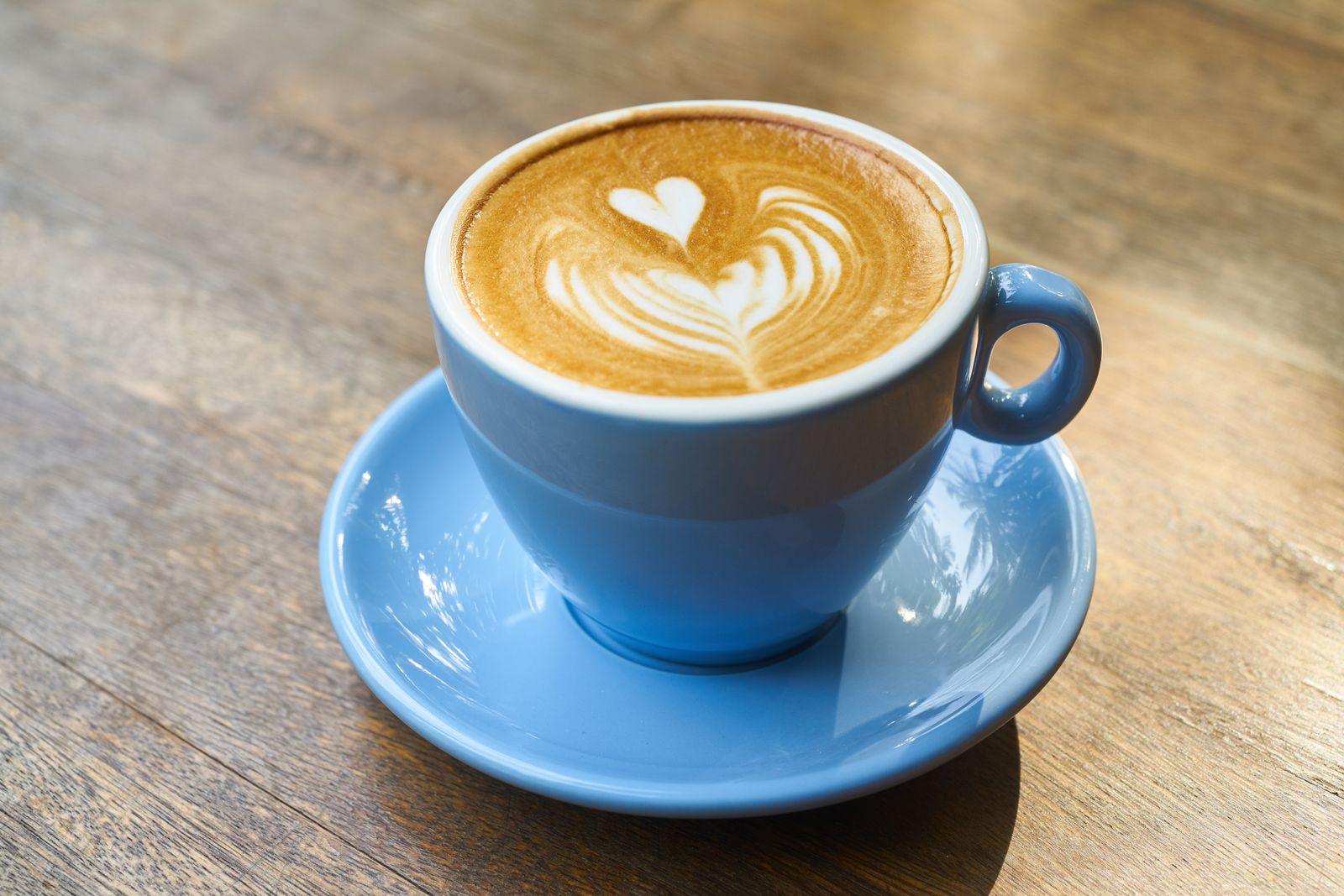
The two-week audit: check your coffee setup in order
- Bag has a roast date. Pass: you can point to the date and the beans are inside roughly one to four weeks. Fail: only a distant best-by date, or no date at all.
- You buy whole bean. Pass: beans are whole and ground at home as needed. Fail: a large bag of pre-ground coffee open for most of a month.
- Quantity matches pace. Pass: a bag lasts you about one to two weeks. Fail: a stockpile that will take six weeks to finish.
- Container seals airtight. Pass: a firm-sealing canister, kept reasonably full. Fail: a rolled-down bag with the top open to the cabinet air.
- Storage spot is cool and dark. Pass: an interior cabinet away from the stove. Fail: a canister beside the oven or in a sunny window spot.
- Grinding happens at brew time. Pass: grounds are minutes old when water hits them. Fail: a week's worth ground on Sunday for convenience.
- The smell test passes. Pass: opening the container releases a rich, obvious coffee aroma. Fail: a faint, flat, or papery smell from beans that should be in their prime.
Grinding at home, without overbuying gear
If the checklist flagged your grinding, the fix is the single best upgrade in home coffee. A basic burr grinder beats a blade grinder because it produces even particles, and even particles extract evenly, but even a blade grinder used fresh beats pre-ground coffee that has sat for ten days. Grind only what the brew needs. For drip and pour-over, a medium grind like coarse sand is the usual starting point; for espresso, fine; for cold brew and French press, coarse. Buying beans from Catawba Coffee Co. and having a portion ground for a trip or a gift is perfectly sensible. It just starts the faster clock, so treat that bag as a this-week bag, not a this-month bag, and store it airtight the moment you get home.
When the bag has crossed the line
Stale coffee is not wasted coffee, exactly. It will not make anyone sick, and it can still serve in cold brew, where the smooth, low-acid extraction is forgiving of faded beans, or in cooking where coffee is a background note. What it cannot do is brew the bright, aromatic cup on the bag's label. The honest move is to note how long the bag actually lasted, buy half as much next time, and keep the rotation inside the window. Freshness is mostly a purchasing habit wearing a storage costume.
Common questions
Does the two-week rule apply to whole beans too?
As a buying rhythm, yes; as a staling deadline, no. Whole beans stay pleasant for roughly a month stored well, but planning to finish a bag in about two weeks keeps every cup inside the best part of the window.
Can I freeze ground coffee to stretch the window?
Freezing airtight, single portions can slow staling, but a bag opened daily in humid air gains moisture each time and fares worse. For most households, buying smaller whole-bean bags works better.
How fine should I grind for a regular drip machine?
Start with a medium grind, roughly the texture of coarse sand. If the cup tastes sour and weak, go a little finer; if it tastes bitter and harsh, go coarser.
Photos in this guide are representative stock images.
← All guides from Catawba Coffee Co.← Back to Catawba Coffee Co.